THE CIRCLE OF LIFE OR DEATH

THE CIRCLE OF LIFE AND DEATH
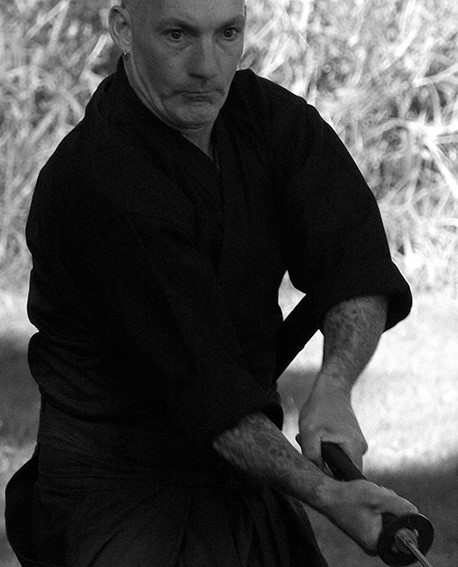
Steven Duncan, tamishigiri

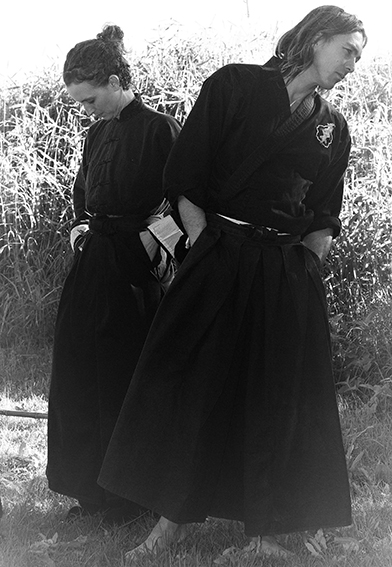
“Think,” asks the teacher, “about the circle about yourself that you can draw in the air… You had better learn to see it because it is the circle of life and death – your life, your death, and the lives and deaths of others, possibly dozens or hundreds of them. So long as you are alone in the circle you are safe, and so is your enemy. They cannot touch you, and you cannot reach them. As soon as either of you steps into the other’s circle – and of course when you enter their circle, they enter yours – both of you are in terrible danger, both of you are a single moment away from success, from victory. The Circle of Life and Death – there’s a grand, magical-sounding name for it, but that is precisely what it is. Alone in your circle you are safe… but you can achieve nothing. Once your circle meshes with someone else’s, you carry with you both accomplishment and defeat, both at the same time, success and failure, life and death.
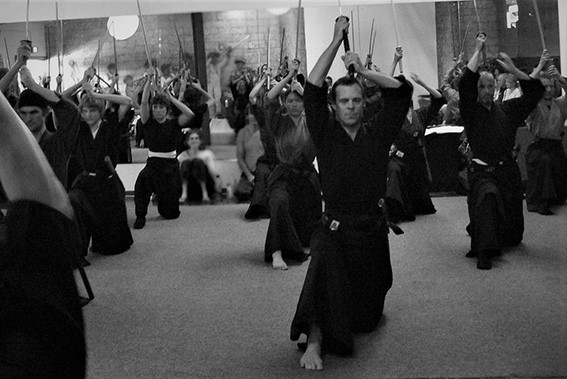
Know your circle. Learn it so that you can see it – not just when you make an effort and look for it, but all the time, whether you want to see it or not. I know it is imaginary, but you have got to make it more real than anything you can touch or see or hear or smell or taste. You are to know how far you can reach out into the world, and how close the world can come to you; before you have to draw and cut.  Does everybody understand or must I go through it again?

“Before even your first class I want you all to learn your circle so well that you would know immediately when someone breaks into it – and that includes someone behind you or off to the side, not just in front. You will learn that until everybody has got it down, then we will do the same thing with our eyes shut. And then, when we really know our own circles, we will learn to see other people’s.
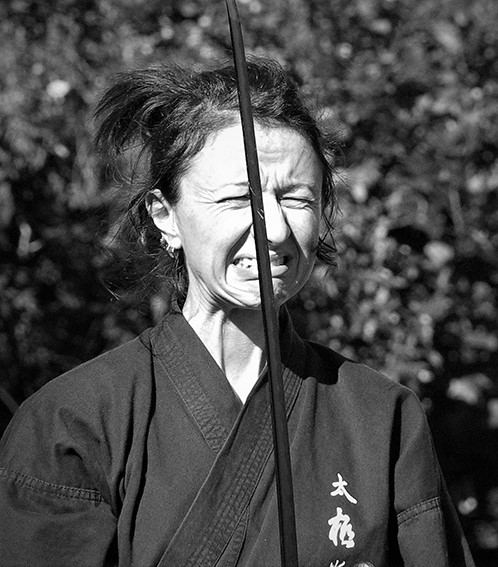
The teacher smiles their most innocent smile. “Usually, I find it takes about ten years to get it right.”
CALM IN THUNDER

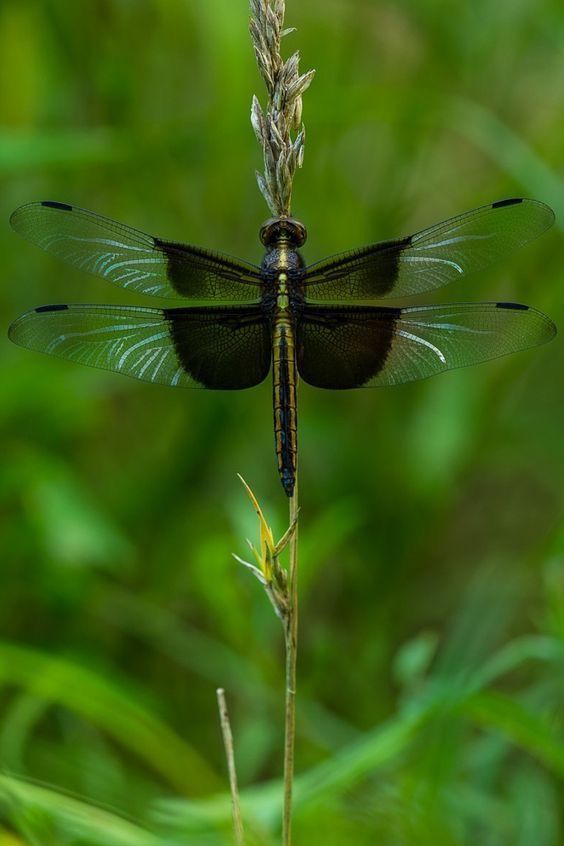
Dragonflies do it. Frogs do it. Leopards, cats, lions, snakes, dogs, wolves, bats and hawks. Do we? I think we’ve forgotten how. Sei chu to is a Japanese expression for a form of preparedness and action. It doesn’t really translate into English, but is important to mention here. Yes, you can go spontaneously into a conflict because someone is off their face on ice. But who needs that? How can a body defend and respond while in a rage?

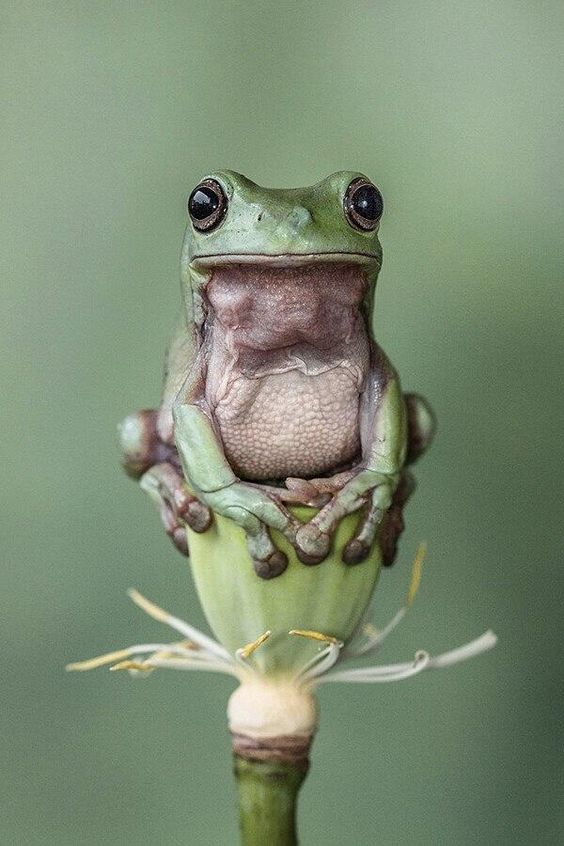
A green tree frog takes up a position on the edge of my kitchen kettle (back in the days when I ate bread), not far above the toaster. The whole top half of frog-person is suspended in mid-air. Frog-person remains like that for countless hours. Frog-person displays no discomfort, no exhaustion, no exasperation, no impatience. They simply are. That’s the chu part of the equation. The sei is the action of climbing onto the kettle and settling into chu…(some frogs can chu for years, a meter underground, if there is no rain) until the cockroaches come out of the woodwork for the toast crumbs.

SEI CHU TO – FROG-SKILLED

And then the Froginator is gone until another night, leaving me the shiny, iridescent brown defecations as gifts to their fellow-residents. That to occurs when insight strikes.

Tarot predicting is the incomparable speed of a threatened brown snake. We don’t think about it, but we have prepared for the event. From the moment the traveler makes contact they are somewhere, somehow, with us. You don’t think about it or you’ll go loopy. It’s not describable in any other way. You’ll even dream their dreams, but will you know it? No. Oh, for hindsight being foresight! I get it, I do. We couldn’t live should we constantly be in this arena of awareness. As sure as I sit with you, though, that chu process has been active. Sei has been your life since deciding to live beyond birth.

CALM IN THUNDER

Dragonflies do it. Frogs do it. Leopards, cats, lions, snakes, dogs, wolves, bats and hawks. Do we? I think we’ve forgotten how. Sei chu to is a Japanese expression for a form of preparedness and action. It doesn’t really translate into English, but is important to mention here. Yes, you can go spontaneously into a conflict because someone is off their face on ice. But who needs that? How can a body defend and respond while in a rage?

A green tree frog takes up a position on the edge of my kitchen kettle (back in the days when I ate bread), not far above the toaster. The whole top half of frog-person is suspended in mid-air. Frog-person remains like that for countless hours. Frog-person displays no discomfort, no exhaustion, no exasperation, no impatience. They simply are. That’s the chu part of the equation. The sei is the action of climbing onto the kettle and settling into chu…(some frogs can chu for years, a meter underground, if there is no rain) until the cockroaches come out of the woodwork for the toast crumbs.

SEI CHU TO – FROG-SKILLED

And then the Froginator is gone until another night, leaving me the shiny, iridescent brown defecations as gifts to their fellow-residents. That to occurs when insight strikes.

As sure as anyone can be about anything, however, that chu process has been active. Sei has been your life since deciding to live beyond birth. To… training, only training, will make this possible.

As grace and lightning.

The way of the sword is one way of knowing. It is that of the warrior who guards their village from those who would harm for ‘take’. Life is mutual. Reciprocal. When our existence becomes one-sided and greedy, helpless and lacking ancestral lore and wisdom existence becomes Koyaanisqatsi: Life Out of Balance.

A way of living well is uncomplicated by worry, unruffled by fear, aware that we are a species amongst countless others, in the company of all that lives, every standing stone we pass to navigate home, every breath we take and give, every river, lake, rainstorm, mist and snow, every star pattern with which to negotiate the hunt.

That is happening. What do we do but become empty and calm? To replace the fruit by replacing the seed within soil?

Yasei-no-shika: wild deer.